
Community Stories
Shehr Ke Kinaray
Shehr Ke Kinaray is a collection of community stories from the edges of the city: places and people often missing from public view. We created this space to record lived experiences, challenge who gets visibility, and bring attention to the realities that exist beyond the urban center.
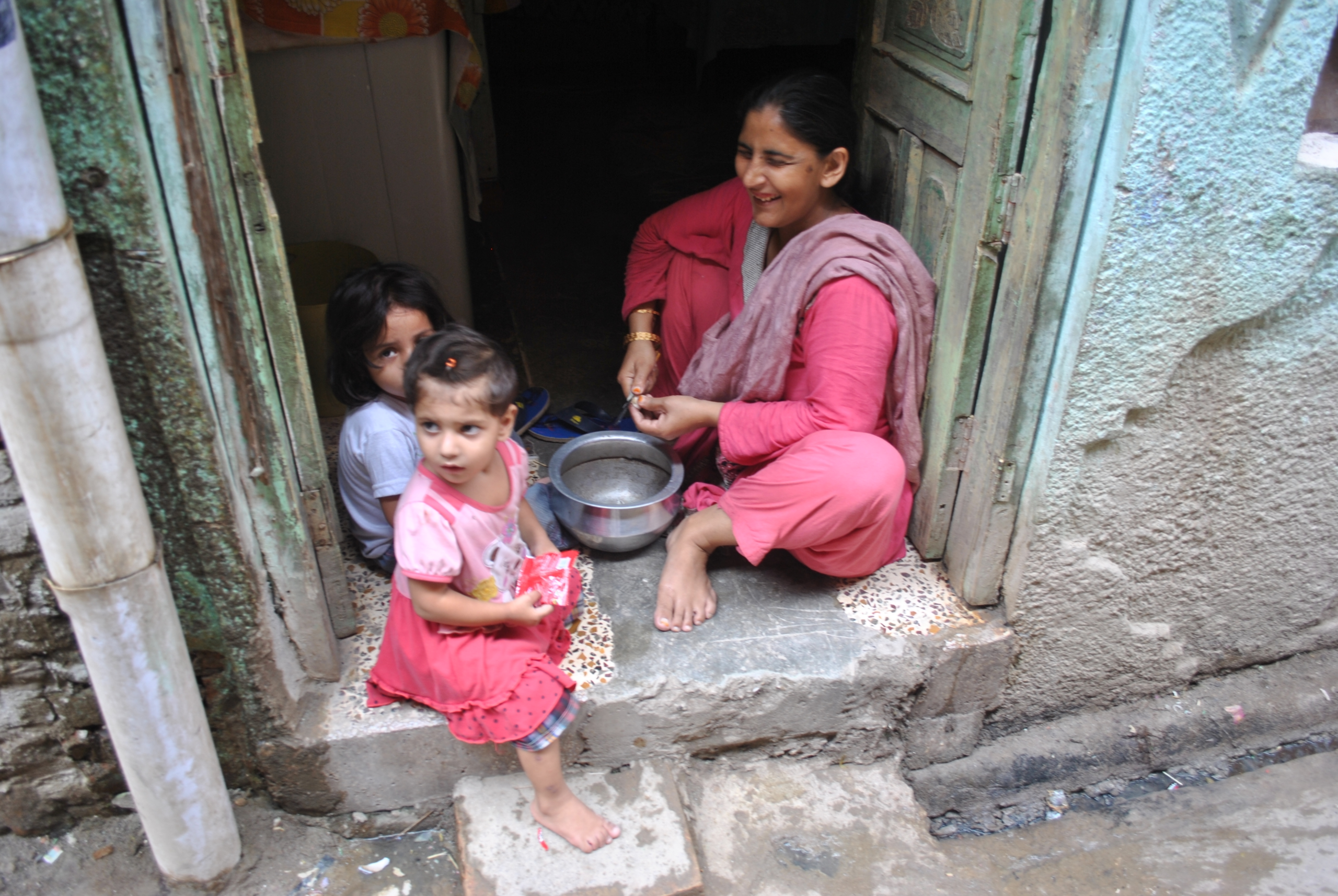
Unpaid, Unseen, Essential
Care Work in Informal Settlements
Dhok Hassu, one of Rawalpindi’s most densely packed informal settlements, wakes before dawn. The first sounds moving through its narrow lanes hidden behind the muezzin’s call to prayers is not street vendors selling their wares or people leaving for work, but the low clatter of utensils, the soft…
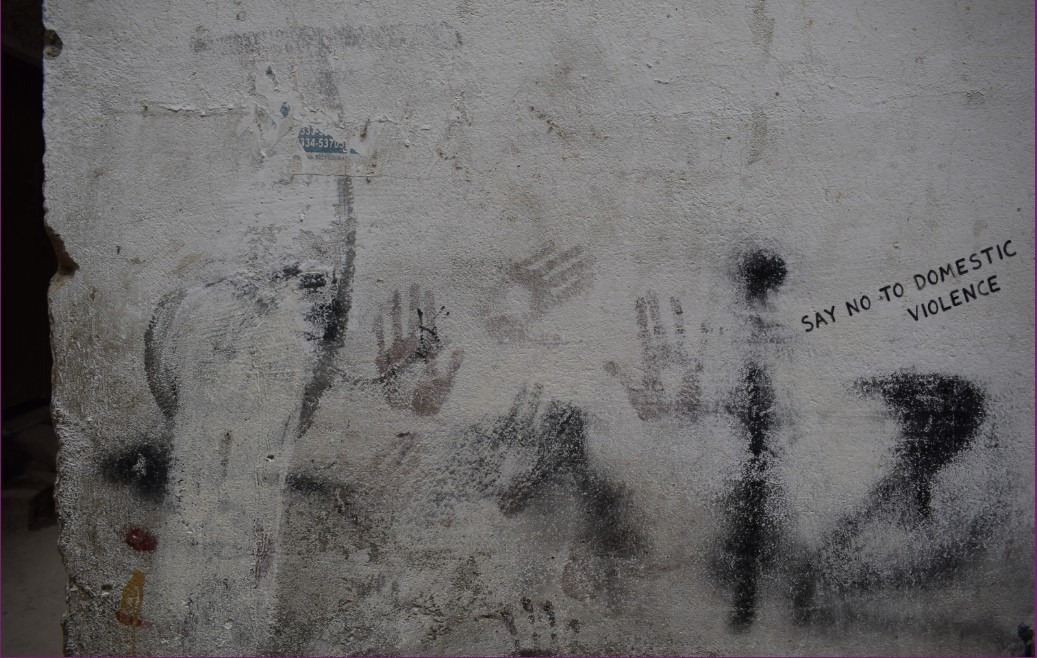
A Home Without A Hearth
Navigating Violence
In Dhoke Hassu, the city works because women, the hidden half, make it work. They stretch meager household incomes, soften shock after shock, manage children, elders, illness, addiction, and scarcity. Largely unseen and unappreciated. By day, the settlement hums with activity: women bargaining at carts, fetching water, minding children between tasks. By night, the streets retreat into darkness, and the city’s promise of safety fades….
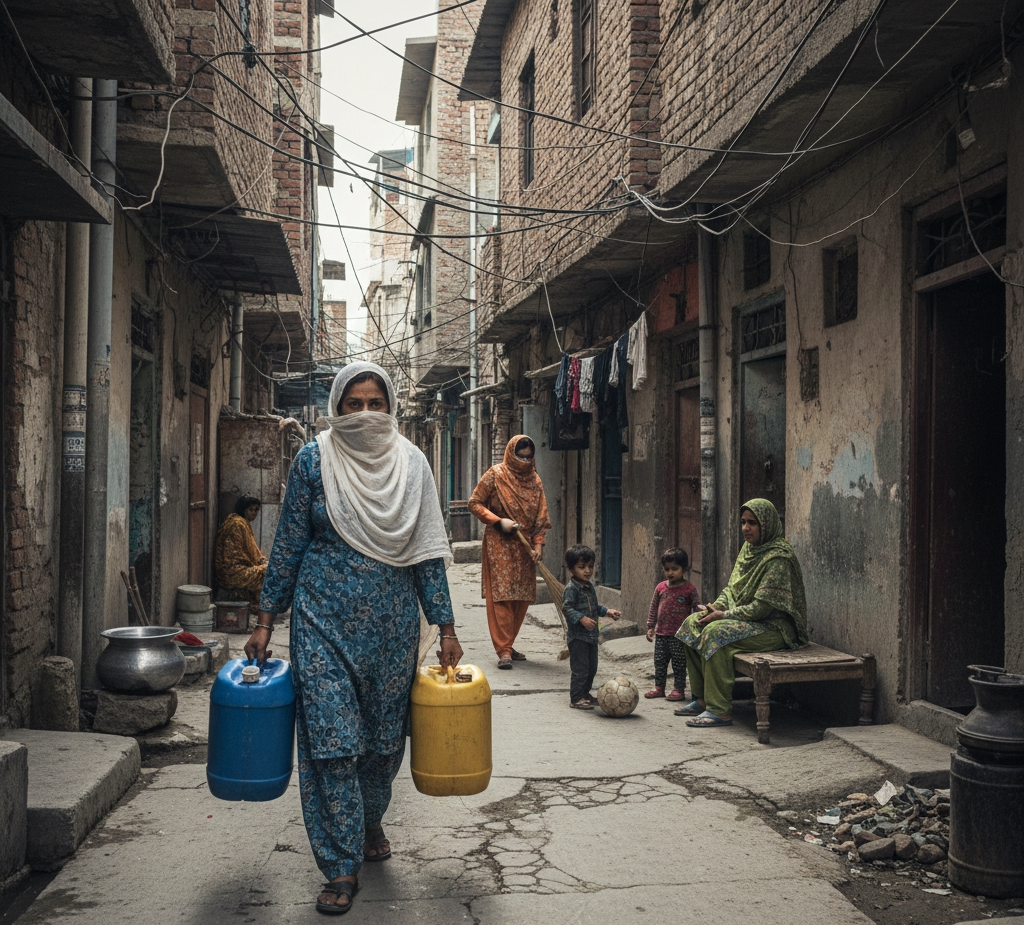
Dreams Deferred:
The Cost of Missing Infrastructure
Saba’s childhood dream was precise. She imagined a school with blue-lined chairs, light-wood desks, and a sign that read Islamia School for Girls. At eight, the future, she imagined, was one of learning, freedom, and joy. By sixteen, that future had narrowed. She was out of school and doing endless household chores. By nineteen, married, pregnant…
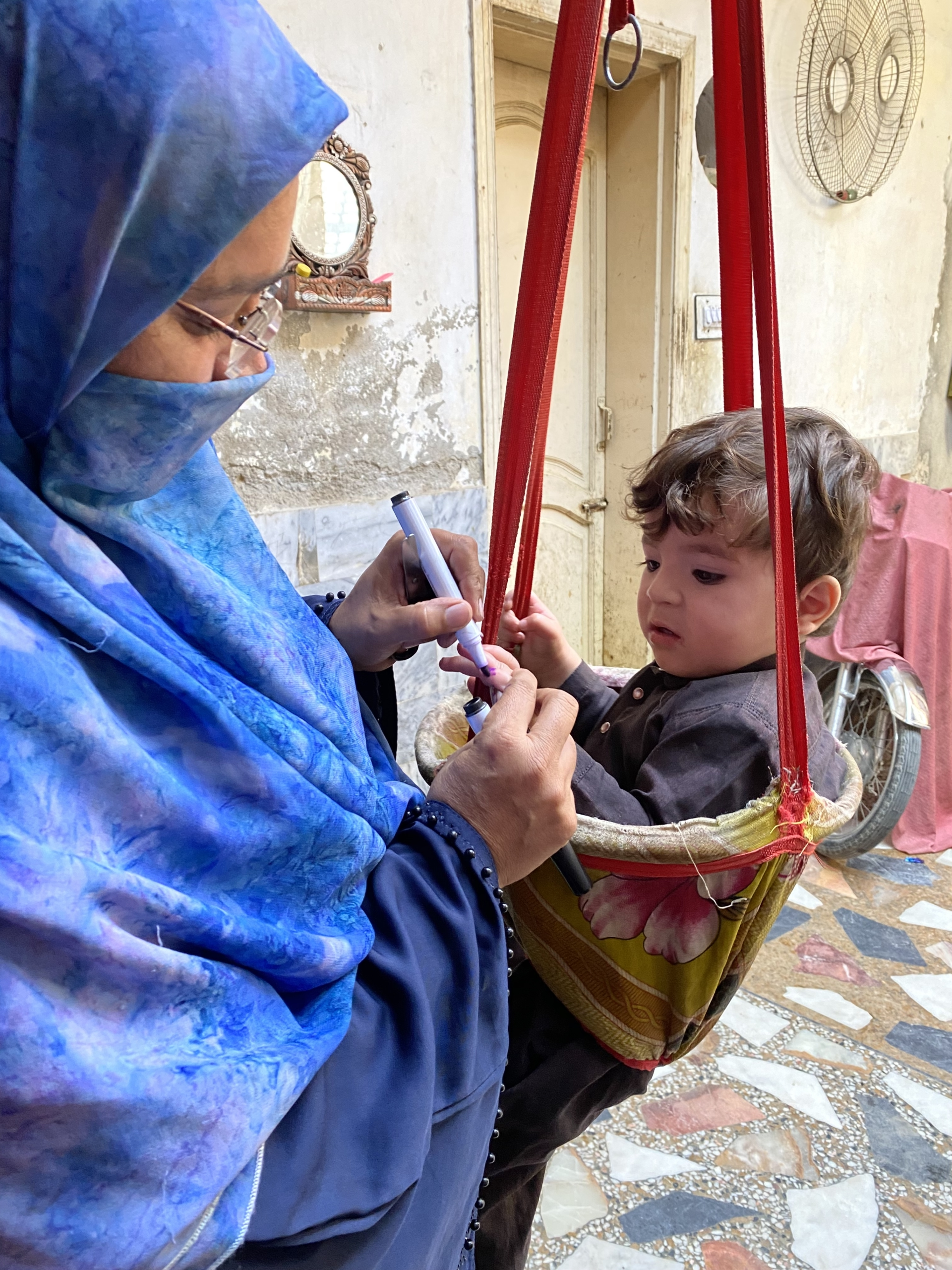
Unfair Burdens:
The Plight of Women’s Health
In Pakistan’s informal settlements, women face socio-structural barriers that adversely affect their agency and decision-making, leading to delayed healthcare for preventive and primary care issues. For women, their health needs are deferred to children, elders, husbands. Scarce income determines who and what gets priority…
No Time Left:
The Emotional Cost of Unpaid Labor
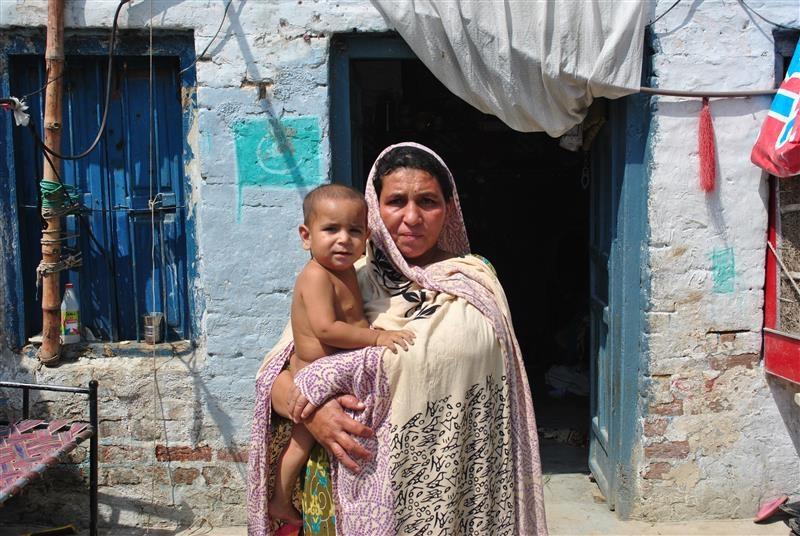
In neighborhoods like Dhoke Hassu, women’s time is scarce. Rationed. Invisible. Hidden behind chaddar and chardiwari. (the shroud and walls). Long before sunrise, the day is a hopscotch of activities. Breakfast is made, children sent to school, floors…
It’s Just Good Business:
Making Digital Literacy a Necessity for Urban Poor Women
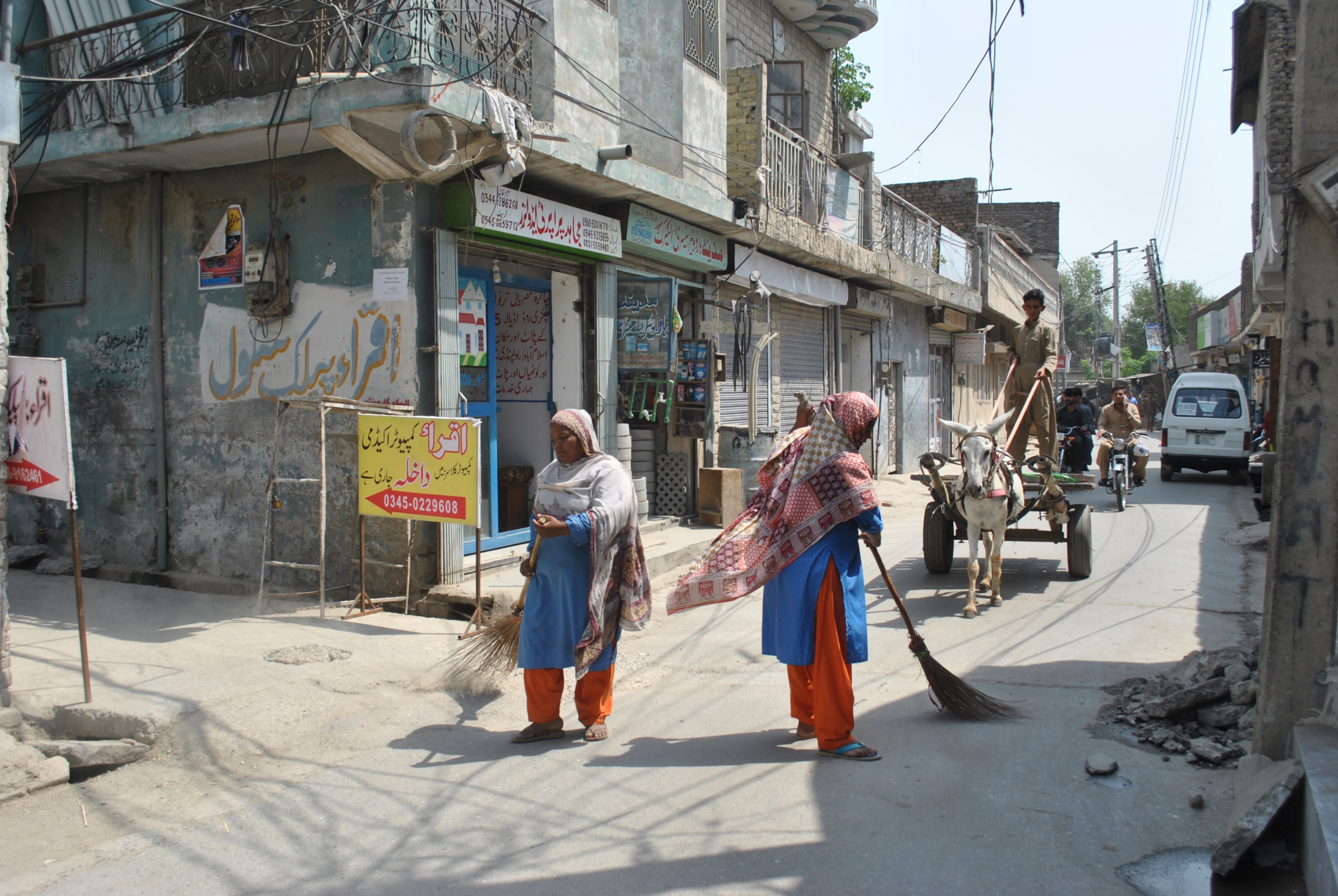
At six in the morning, Shazia is already awake in Dhoke Hassu, Rawalpindi. Winter gas pressure is unreliable, so she cooks early, sending her children and husband out by eight. By nine, she’s got her beauty parlor routine ready – client chairs cleaned, room fragranced…
Power From The Margins:
The Politics of Community Trust
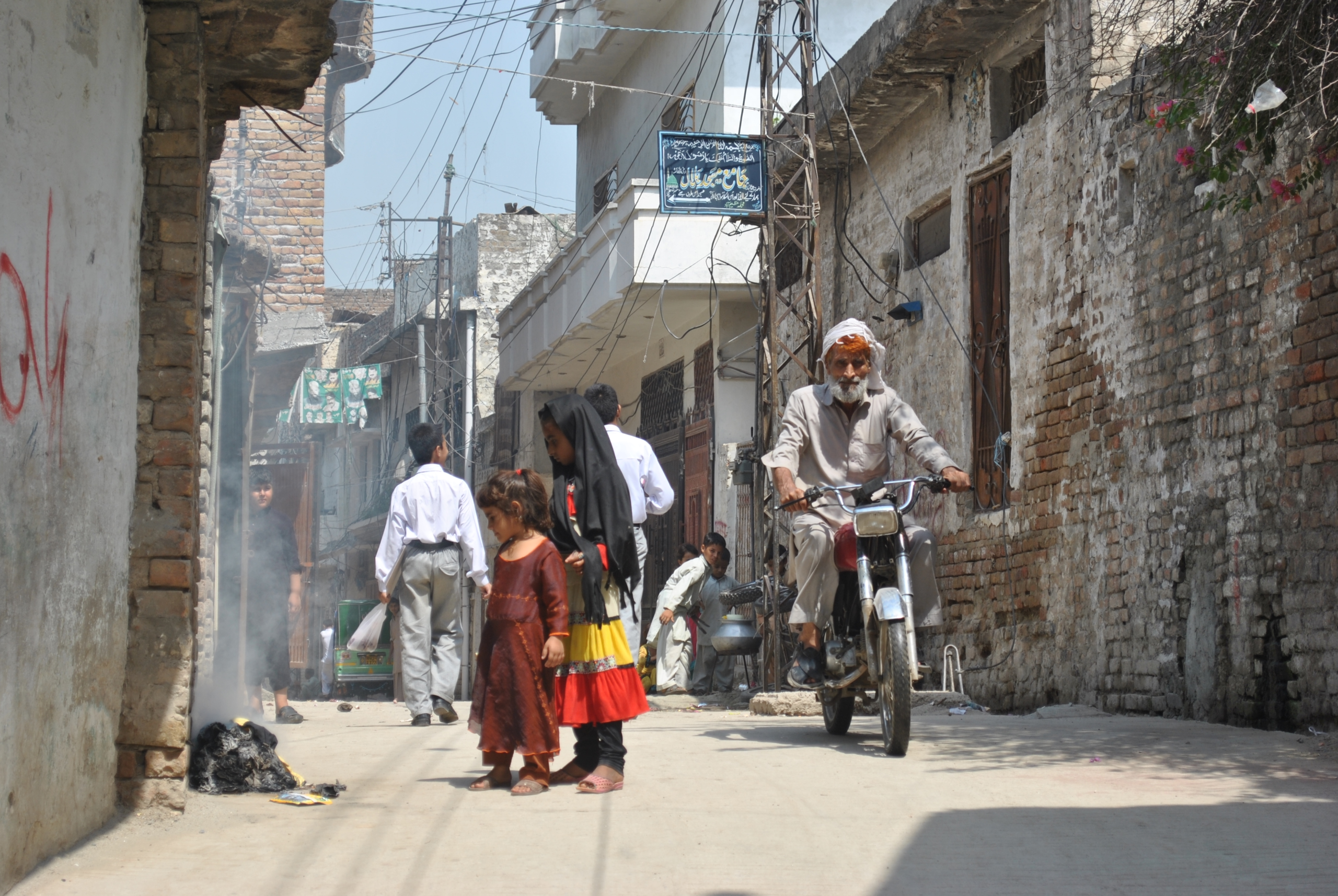
Agency-less, voiceless, dependent, these are terms frequently used when describing urban poor women in Pakistan. A language that assumes that power is only driven from formal authority – legally sanctioned, institutionally recognized, and visible. Through culture, institutions, and religion, men hold that power. In informal settlements, even this authority…